
SEO and AI search
E-E-A-T without the jargon: how Google decides whether to trust your website
By Jhon Carl Ignoro,


 By Jhon Carl Ignoro, Web Development, SEO and Digital PR LeadPublished 4 min read
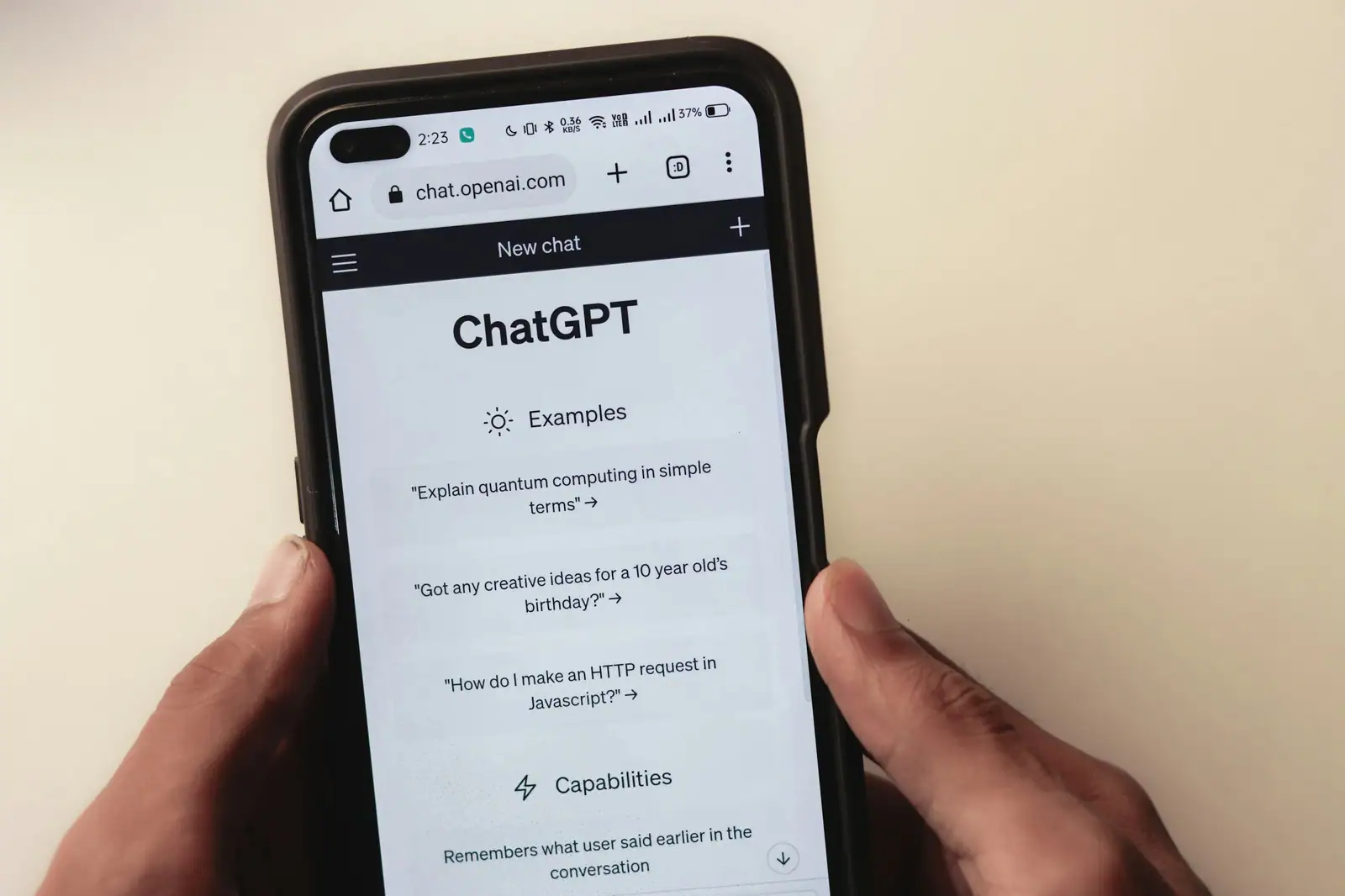
A few months ago, a client told me they had stopped searching Google for suppliers. They ask ChatGPT for a shortlist, then look at the websites of the two or three companies it names. Since then I have heard some version of that story from most of the business owners I talk to.
It raises a fair question. If an AI assistant is now part of how people find you, how does it decide who to mention?
The clearest data on the shift comes from the Pew Research Center, which analyzed the browsing of 900 U.S. adults in March 2025 across 68,879 Google searches. About 18% of those searches produced an AI summary. When a summary appeared, people clicked a traditional search result on 8% of visits, compared with 15% when there was no summary. Only 1% of visits included a click on a link inside the summary itself.
Google disputed the methodology, and it says that clicks from results pages with AI Overviews are higher quality, with visitors more likely to spend time on the site. Both things can be true. Fewer people click, and the ones who do arrive further along in their thinking. Either way, more of the first impression now happens inside the answer, before anyone reaches your website.
The most useful research I have seen on this is Muck Rack’s What Is AI Reading? study. The May 2026 edition analyzed more than 25 million links cited in responses from ChatGPT, Claude and Gemini. A few findings stood out:
The pattern will be familiar to anyone who has worked in PR. When an assistant needs to say something credible about a company or a market, it leans on what independent sources have written rather than on what the company says about itself.
For its own AI features, Google’s answer is reassuringly plain. There are no additional requirements to appear in AI Overviews or AI Mode, and no special optimization is necessary. A page needs to be indexed and eligible to show with a snippet, and the usual fundamentals apply: let search engines crawl your site, link to your important pages, keep key information in text, make sure structured data matches what is on the page and keep your Business Profile current. Google also says you do not need new machine-readable files or special markup for these features.
Putting the research together, this is what I recommend. None of it is a trick, and that is the point.
These systems change quickly, and Muck Rack itself notes that the behavior it observed may shift as models are updated. Each tool also has its own habits; in the May 2026 study, each assistant’s most-cited website was different. I would be wary of anyone promising a guaranteed method for getting recommended. What has held up so far is what has always built a reputation: doing notable work and having credible people say so in public.
Not in the answers studied so far. In Muck Rack’s May 2026 research, paid and advertorial content made up about 0.3% of citations. Mentions come mostly from independent, earned sources.
A little, mostly for questions about industry trends, where press releases made up a small share of citations. Coverage that journalists write about your news carries far more weight than the release itself.
Google says no new machine-readable files or special markup are needed for its AI features. An llms.txt file does no harm, but it is no substitute for clear content and credible coverage.
Jhon Carl leads web development, SEO, AI-search optimization and digital PR at FIREWORKS Communications. He has eight years of experience building and optimizing high-performing websites for clients in the United States, Australia and the UAE.
By Jhon Carl Ignoro,
By Jhon Carl Ignoro,

By Jhon Carl Ignoro,

We write about what we see working for the businesses we know. If something here raises a question about your own situation, we would be glad to hear it.