
Growth
Branding and creative
Names, logos, taglines and collateral that tell customers what you do within seconds.


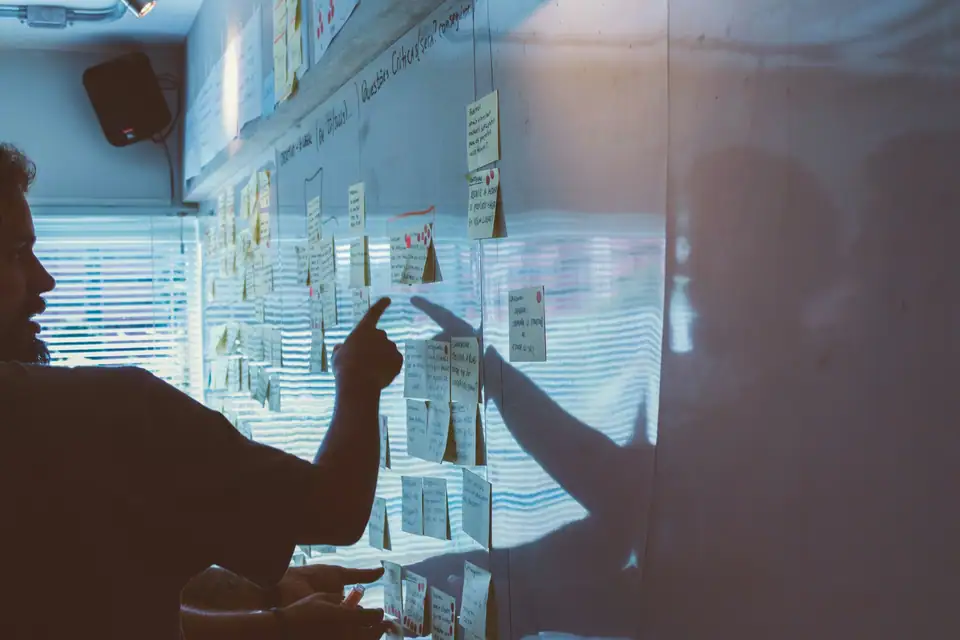
Brand messaging is the agreed language your organization uses to explain who you serve, what you offer and why you are the right choice. We build your positioning, brand promise and messaging framework so everyone, from reception to the CEO, tells the same compelling story.

Messaging creates alignment. When the sales team, trade show staff and executives all use the same elevator pitch and proof points, prospects move toward decisions, partners toward relationships and influencers toward engagement.
Cynthia Baker has led more than 25 companies and universities through this process. For marketing, sales and website development to work, they need a branding strategy synced with a corporate fact sheet that captures your value and guides your next steps.
Where you compete, who you serve best and the difference that matters to them, tested against competitors.
The commitment you make to customers and the story that explains why you exist and why it matters.
Positioning statement, elevator pitch, key messages by audience and the proof points that support them.
A one-page summary of your value, offerings and proof for marketing, sales, partners and the media.
Positioning and messaging for new products and services, with a plan to introduce them to the market.
Materials that show how your offer addresses customer pain points and delivers value.
Interviews, a review of your materials and a look at competitors and customer perceptions.
A working session to agree on positioning, audiences and the brand promise.
We write the messaging framework and fact sheet, and refine them with your feedback.
We help your team adopt the message across the website, sales materials and channels.
of B2B decision-makers say showing a clear understanding of their challenges does the most to build trust, compared with 14% who pointed to product strength.
of consumers say trusting a brand is an important or critical purchase criterion, on par with quality (89%) and value (88%).
of B2B decision-makers say thought leadership shared in their buying group helped decide which vendor to select.

“This transformation has helped us to clearly communicate our value to our customers and has had a significant impact on our reputation, reach and ROI.”
Brand positioning is the place you want to hold in your customers’ minds relative to competitors: who you serve, what need you meet and why you are the better choice. It guides every message, product decision and campaign.
A messaging framework is a reference document containing your positioning statement, brand promise, elevator pitch, key messages for each audience and the proof points behind them. Teams use it to write consistent copy, presentations and pitches.
Most projects run a few weeks, depending on the number of stakeholders and audiences. The strategy session and your review cycles are the main factors in timing.
Ideally, yes. Website copy, navigation and calls to action all come from the message. Settling it first avoids rewriting the site later.
Names, logos, taglines and collateral that tell customers what you do within seconds.

A fractional CMO program: a plan, 90 days of training and a year of office hours.
Bylined articles, speaking programs and research that make your leaders the experts buyers trust.

8 months to reach and pass minimum enrollment for the first class.

Tell us what you want to achieve. You will get an honest view of what it takes and a plan to get there.